Demystifying PPC: A Beginner's Guide to the Foundations of Pay-Per-Click Advertising
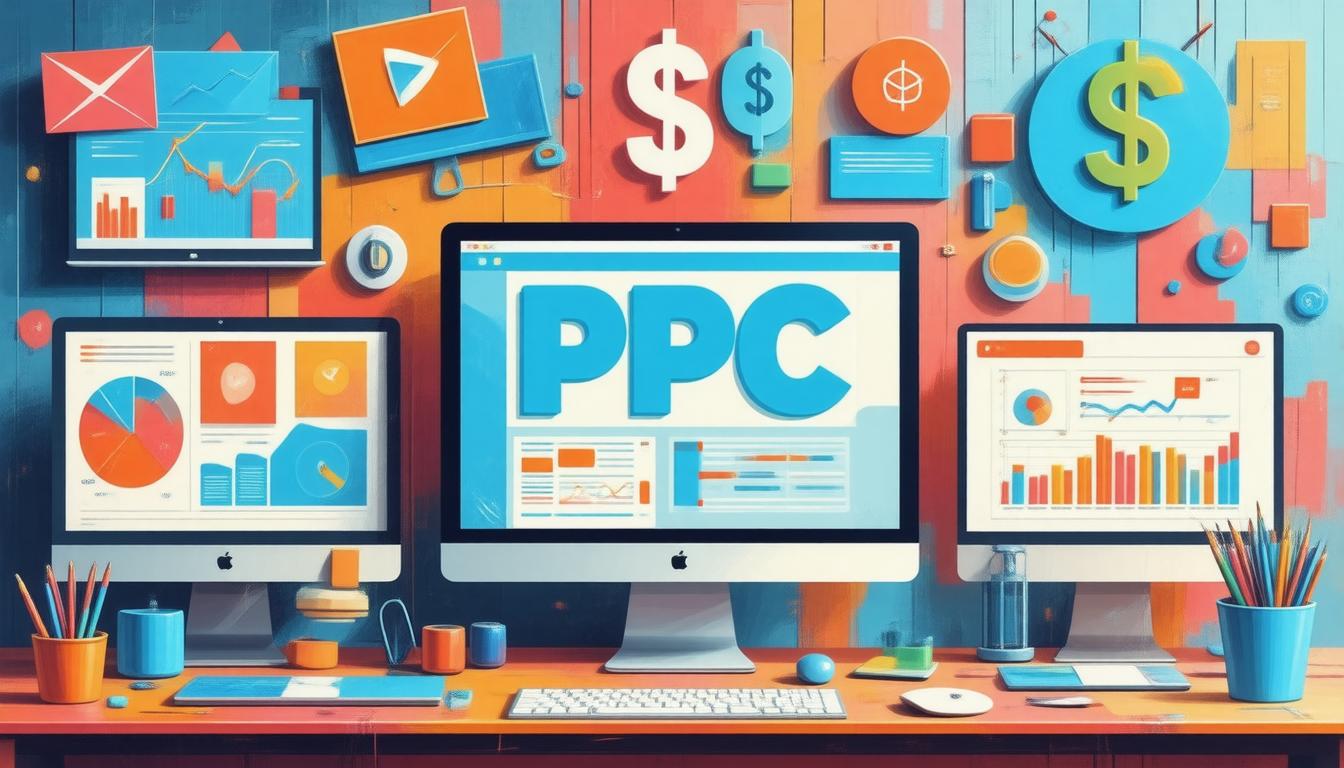
Pay-per-click (PPC) advertising is a dynamic marketing strategy that has garnered the attention of businesses looking to gain immediate traction and leads in a competitive digital landscape. But what exactly is PPC, and how does it work? This beginner's guide will explore the foundations of PPC, offering insights into its functionality, advantages, key components, and best practices for successful campaigns.
What is PPC?
At its core, Pay-Per-Click advertising refers to an online marketing model where advertisers pay a fee each time one of their ads is clicked. This method enables businesses to purchase visits to their site rather than earning those visits organically. While numerous channels can implement PPC, Google Ads is the most prominent, allowing businesses to display ads on search engine result pages (SERPs).
When a user types a keyword into Google, they may see ads at the top and bottom of the search results. These sponsored results are part of PPC advertising, which aims to drive qualified traffic to a business's website quickly and effectively.
Benefits of PPC Advertising
1. Speed
One of the most compelling reasons businesses opt for PPC is the speed at which results can be seen. Once a campaign is set up, ads can start driving traffic almost instantly. This immediacy is especially valuable for businesses needing to generate leads or sales in a short timeframe, such as launching a new product or responding to market changes.
2. Data Insights
PPC campaigns also provide robust data analytics, making it possible for advertisers to gain crucial insights into consumer behavior. Knowing which keywords generate the most clicks and conversions allows businesses to optimize their strategies effectively. In contrast to organic search strategies, which take longer to yield results, PPC offers immediate feedback through its performance metrics.
However, while PPC yields fast results, it can be expensive, and poorly managed campaigns often lead to wasted budgets. Businesses must strategize carefully to use their PPC budget effectively without experiencing diminishing returns.
Key Components of a Successful PPC Campaign
To maximize the performance of a PPC campaign, understanding its foundational components is essential. Here are three critical factors to consider:
1. User Intent
Understanding the search intent behind keywords is crucial in PPC advertising. There are generally two types of search intent:
- Informational Intent: Users looking for general information or answers, such as "best whitening treatment."
- Commercial Intent: Users ready to make a purchase or inquiry, such as "cosmetic dentists in Nottingham."
When allocating your budget, it's imperative to focus on commercial intent keywords that are more likely to result in conversions. Wasting resources on informational searches can lead to ineffective campaigns where clicks do not translate into sales.
2. Search Volume
While it might seem beneficial to target high-volume search terms, volume alone should not dictate your PPC strategy. Focusing on relevant keywords with the right volume, rather than just high traffic, is vital for generating meaningful results. Targeting the right audience will yield more qualified leads, even if the search volume isn't astronomically high.
3. Budget Management
Budget plays a critical role in the success of PPC campaigns. Small or medium-sized businesses often miscalculate their budgets, leading to ineffective campaigns. For instance, if a business sets a budget that only allows for a handful of clicks per day, it may take too long to achieve their conversion goals. A conservative budget can hamper the effectiveness of a campaign, mimicking the effect of a restrictive hourglass that slows down the influx of potential customers.
Understanding how much to invest in PPC is essential, and businesses must align their financial capabilities with their goals to yield satisfactory results.
Conclusion
PPC advertising presents an invaluable opportunity for businesses looking to increase their visibility and traffic in the digital marketplace. By comprehending the fundamental principles of PPC—user intent, search volume, and budget management—advertisers can create highly effective campaigns that optimize their return on investment.
While PPC comes with its challenges, its potential for quick and actionable insights makes it an essential part of any comprehensive digital marketing strategy. As you embark on your PPC journey, remember that careful planning and strategic execution are crucial to transforming clicks into profitable conversions for your business.
Damien Vernon
Sales Director | ROIstars Relationships & Results
Ready to unlock your brand's potential? Let's chat! With my expertise in digital marketing and AI-driven automation, I help businesses drive more leads, reduce costs, and maximize online success.
Contact Us Today


Comments
Post a Comment