How to Use Social Proof to Build Trust (With Examples)
In today's digital landscape, building trust with potential customers is more important than ever. One effective strategy for achieving this is through social proof. In this article, we will explore how to use social proof to build trust, with examples that illustrate its effectiveness. By understanding the psychology behind trust, identifying different types of social proof, examining real-life success stories from brands, and implementing practical strategies, you can leverage this powerful tool to boost your business's credibility and accelerate sales.
ROIstars
Key Takeaways
- Social proof leverages the behavior of others to influence trust and decision-making.
- Different forms of social proof include testimonials, reviews, and influencer endorsements.
- Successful brands effectively incorporate social proof to enhance credibility and attract customers.
- Implementing social proof strategies can significantly improve marketing efforts and customer engagement.
- Measuring the impact of social proof can reveal its effectiveness in boosting trust and increasing sales.
Understanding Social Proof: The Psychology Behind Trust
In today’s digital age, understanding social proof is essential for businesses aiming to establish trust with their audience. Social proof refers to the psychological phenomenon where individuals look to others’ behaviors to determine what is correct or acceptable. The concept is rooted in the idea that if others are doing something, it must be the right thing to do. This is particularly important in marketing, as consumers increasingly rely on peer recommendations, reviews, and testimonials to make purchasing decisions. To learn how to use social proof to build trust (with examples), consider incorporating customer reviews and ratings on your website. Displaying high-star ratings and positive testimonials can significantly enhance credibility. Additionally, showcasing user-generated content through social media can effectively connect potential customers with existing ones, allowing them to see real-life experiences with your product or service. Furthermore, leveraging endorsements from influencers or industry experts can also serve as a powerful form of social proof. By utilizing these strategies, businesses can foster a trusting relationship with their customers, leading to increased conversion rates and customer loyalty.
Types of Social Proof: Exploring Different Forms
Social proof is a powerful psychological phenomenon that influences our decisions by reflecting the actions and opinions of others. Understanding the different types of social proof can help businesses and individuals significantly enhance their credibility and customer trust. Here’s how to use social proof to build trust, with examples to illustrate the various forms.
1. Expert Social Proof: This form includes endorsements from credible figures or industry experts. For example, a skincare brand might use a dermatologist's testimonial to validate their product’s efficacy. Leveraging expert opinions not only enhances trust but also positions your brand as an authority in your field.
2. User Social Proof: Reviews and testimonials from satisfied customers fall into this category. Displaying positive customer feedback on your site or social media, like a restaurant showcasing five-star Yelp reviews, can significantly influence potential customers' decisions. It’s crucial to encourage users to leave reviews, as a large number of positive reviews can demonstrate your product’s reliability.
3. Wisdom of the Crowds: The principle here is simple: people tend to trust products or services that have a large number of users. An example would be an app that highlights its millions of downloads or a gym that shares the number of members. This concept shows prospective clients that many others believe in your offering, which can be a decisive factor in their purchasing journey.
4. Social Media Proof: Engagement on social media can act as a form of social proof. A high number of followers, shares, likes, and positive comments can signal to potential customers that a brand is reputable. For instance, a fashion brand with a strong Instagram presence and user-generated content can showcase its popularity and desirability, effectively using social proof to enhance its appeal.
5. Certification and Awards: Recognitions, such as industry awards or certifications, serve as strong social proof for building trust. Displaying these accolades on your website signals to customers that your business is recognized and validated by peers. For example, a travel agency that advertises its 'Best Travel Agency 2023' award can use this accolade to instill confidence in its potential clients.
Incorporating these various types of social proof effectively into your marketing strategy can help build trust with your audience. By understanding how to utilize social proof to build trust, you can create a compelling narrative around your brand and encourage prospective customers to take the leap in choosing your offerings.
'People are more likely to trust a company if they see others have trusted it before.'ROIstars
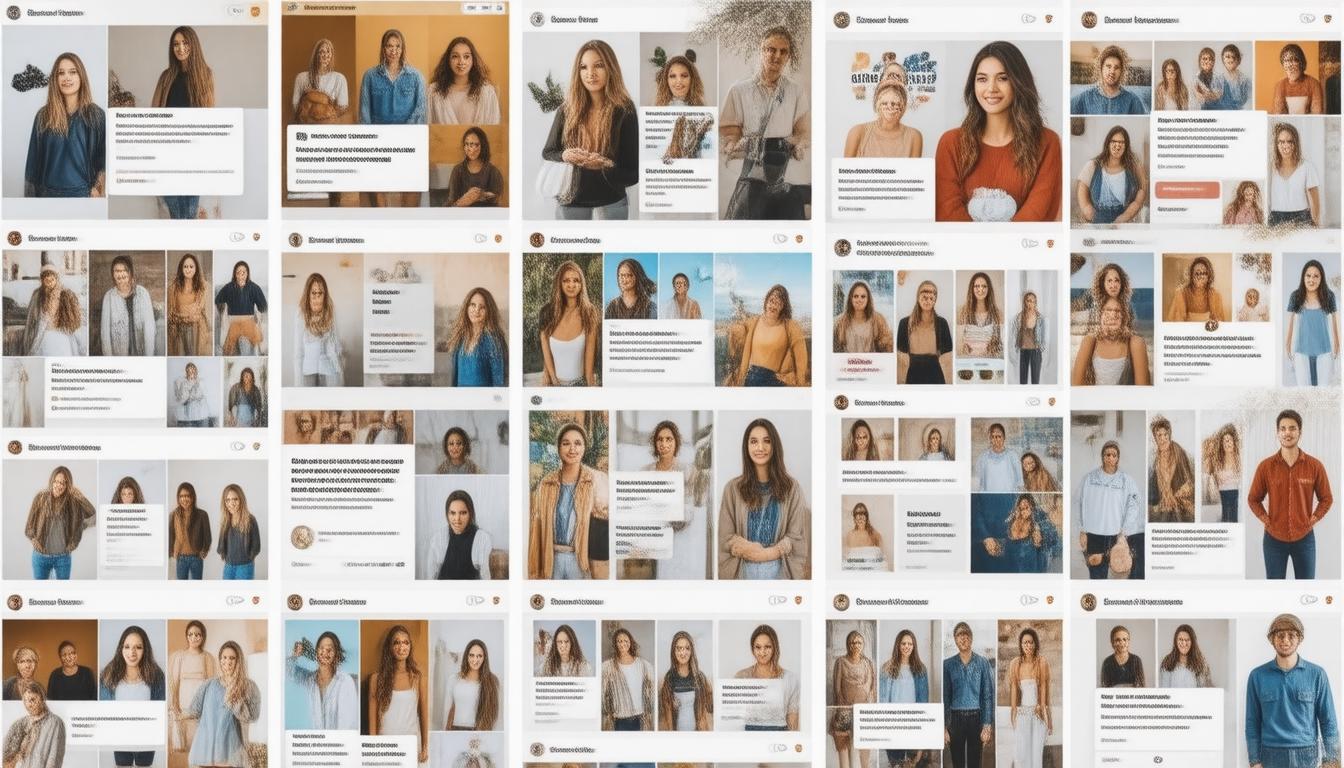
Real-Life Examples: Brands Successfully Using Social Proof
Understanding how to use social proof to build trust is essential for brands in today's digital landscape. Social proof refers to the psychological phenomenon where individuals look to the behaviors and opinions of others to guide their own choices. Many successful brands have harnessed this concept to enhance their credibility and foster customer loyalty. One stellar example is Airbnb, which prominently features user-generated content and reviews to showcase real experiences shared by travelers. This approach creates a sense of community and trust among potential customers, making them feel more confident in their booking decisions. Another notable case is Yelp, a platform entirely built around social proof. By allowing users to share their personal experiences and reviews, Yelp empowers consumers to make informed decisions based on the aggregated ratings of countless others. Similarly, Glossier, the beauty brand, adeptly uses social media to highlight customer testimonials and before-and-after photos, effectively demonstrating the efficacy of their products. By leveraging these various forms of social proof, these brands not only build trust but also encourage new customers to engage with their offerings, demonstrating how to use social proof to build trust effectively.
Strategies for Implementing Social Proof in Marketing
In the digital marketing landscape, learning how to use social proof to build trust with your audience can be a game changer for businesses seeking to enhance their credibility and attract more customers. Social proof refers to the psychological phenomenon where individuals rely on the actions and opinions of others when making decisions. To effectively implement social proof in your marketing strategy, consider these proven tactics. First, showcase customer testimonials prominently on your website and social media channels; real customer feedback can significantly impact potential buyers. Secondly, leverage user-generated content by encouraging customers to share their experiences with your products on social media, which not only fosters community engagement but also acts as authentic endorsements. Additionally, highlighting case studies and success stories can illustrate the benefits of your products or services in action, providing tangible evidence of their value. Finally, integrating trust badges and recognitions (like awards, certifications, and media mentions) reinforces your business's credibility. By adopting these strategies, you can effectively harness social proof to build trust and establish stronger connections with your audience.

Measuring the Impact of Social Proof on Trust and Sales
Understanding how to use social proof to build trust is crucial for businesses looking to enhance their credibility and drive sales. Social proof refers to the phenomenon where individuals look to the actions and opinions of others to guide their own behaviors. By strategically leveraging testimonials, user-generated content, case studies, and influencer endorsements, brands can significantly influence consumer behavior. For instance, showcasing positive reviews from satisfied customers fosters a sense of reliability, while sharing stories of how a product or service has solved real problems for others can create a strong emotional connection. Additionally, incorporating visuals—like images of real customers using your product—can further reinforce authenticity. A prime example is a skincare brand that features before-and-after photos submitted by real users, effectively demonstrating the product's efficacy and convincing potential buyers of its value. By embracing these elements of social proof in your marketing strategy, you can effectively build trust with your audience, ultimately enhancing your brand reputation and boosting sales.
Frequently Asked Questions
What is social proof?
Social proof is a psychological phenomenon where people look to the actions and behaviors of others to determine their own. In marketing, it refers to using endorsements, reviews, or testimonials to build trust and influence potential customers.
How can I effectively use social proof in my marketing strategy?
You can use social proof by showcasing customer testimonials, displaying user-generated content on your website, highlighting ratings and reviews, and incorporating case studies to demonstrate your product's effectiveness.
What are some examples of brands that successfully use social proof?
Brands like Amazon, which displays customer reviews and ratings, and Airbnb, which highlights host and guest reviews, effectively use social proof to build trust with their target audience.
Are there different types of social proof?
Yes, types of social proof include expert approval, celebrity endorsements, user testimonials, social media shares, and the popularity of a product based on the number of purchases or interactions.
How can I measure the impact of social proof on my business?
You can measure the impact of social proof by tracking metrics such as conversion rates, customer acquisition costs, and overall sales before and after implementing social proof strategies.
Damien Vernon
Sales Director | ROIstars Relationships & Results
Ready to unlock your brand's potential? Let's chat! With my expertise in digital marketing and AI-driven automation, I help businesses drive more leads, reduce costs, and maximize online success.
Contact Us Today


Comments
Post a Comment