Mastering PPC Bee: A Step-by-Step Guide to Crafting Effective Campaigns
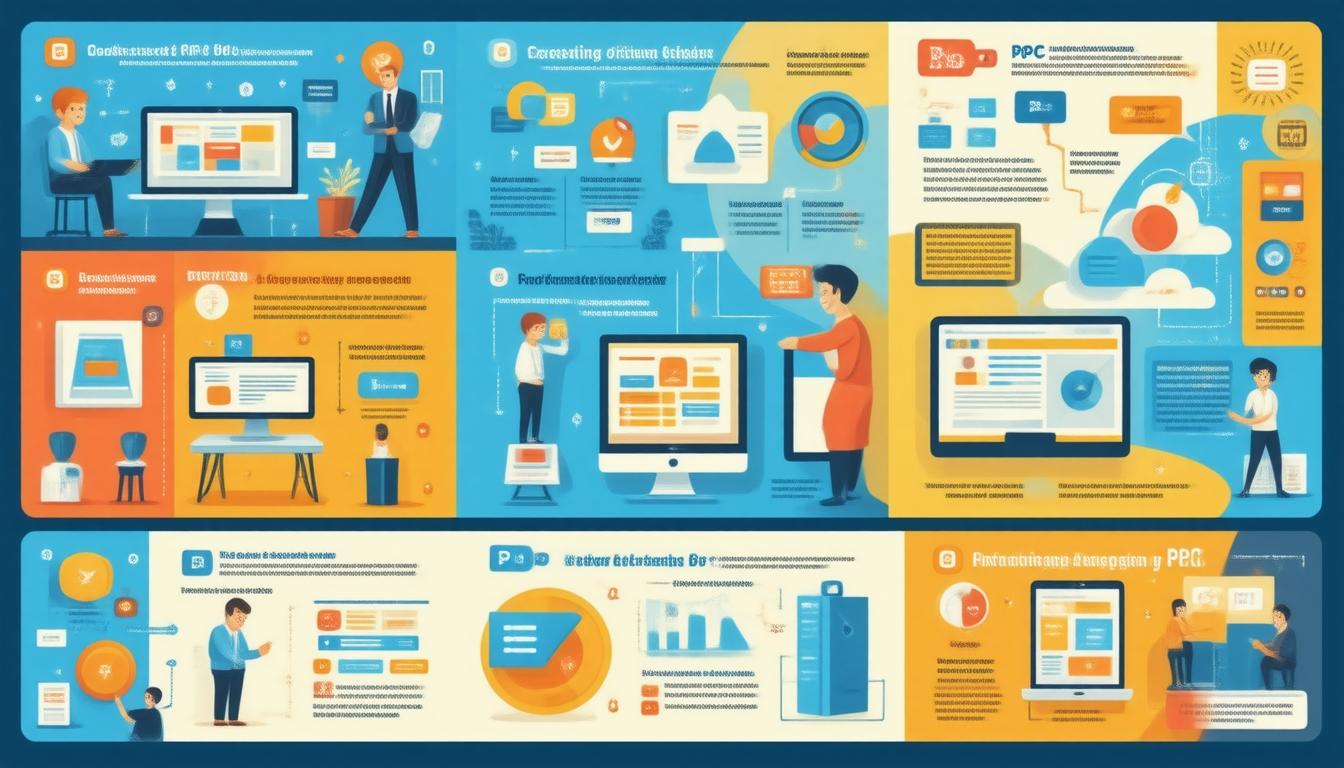
Pay-per-click (PPC) advertising can significantly enhance your business’s online visibility, but for newcomers, tools like PPC Bee can seem overwhelming. This guide will walk you through the essential steps to create effective PPC campaigns using PPC Bee, turning potential confusion into actionable strategy.
Step 1: Import Your Product Data
Before you unleash your creativity in campaign design, the first step in PPC Bee is to import your product data. This data serves as the foundational block for your entire PPC strategy. Ensure that your product feed is organized correctly—this includes details such as product names, categories, and any specific identifiers like product numbers. A well-structured product feed will facilitate smoother campaign creation and management.
Step 2: Create a New Campaign
Once your product data is in the system, it’s time to craft your campaign. Segmenting your campaigns based on product categories can be highly effective. For example, if you are selling home appliances, creating separate campaigns for items like clothing irons, toasters, and blenders helps maintain relevance in keyword targeting, ad design, and budget management.
Step 3: Develop Keywords
Keywords are critical as they determine when and how your ads appear to potential customers. To optimize your campaign for clothing irons, focus on the search intent of users, which often includes brand names along with product identifiers. If you lack product numbers in your feed, you can utilize the "extract regex" function to derive this information from product names. By targeting combinations of brand and product number keywords, you can enhance the visibility of your ads when potential buyers are searching with specific needs.
Step 4: Craft Compelling Ad Texts
The ad text is where your campaign’s message comes to life, so it deserves thoughtful attention. While A/B testing different ad texts for various products or characteristics is common practice, starting with a single, straightforward ad text for all irons can simplify the process, especially when you’re just beginning. Ensure your ad texts clearly communicate the key benefits and features of the products, enticing potential customers to click through.
Step 5: Set Up Your Ad System
Once you’ve finalized the keywords and ad texts, proceed to configure your ad settings. Establish your budget and maximum cost per click (CPC) according to your overall marketing strategy and financial goals. Make sure to select the currency that corresponds with your Google Ads account to avoid any discrepancies.
Step 6: Review Your Campaign
Before launching, it’s crucial to conduct a final check on your setup. Ensure that your keywords, ad texts, and other configurations reflect your intended strategy. You can simulate expected results through PPC Bee’s preview features, allowing you to verify that everything is aligned with your goals.
Step 7: Connect to Google Ads and Launch
Once you’re satisfied with your campaign, connect your PPC Bee account to Google Ads. This integration allows you to manage and monitor your ads seamlessly. With this final step completed, you’re ready to launch your campaign!
Conclusion
With PPC Bee, launching a PPC campaign can be streamlined into a few manageable steps. By understanding the importance of product data, carefully selecting keywords, and crafting compelling ad texts, you can create targeted campaigns that drive results. Remember, practice makes perfect, so as you gain confidence with the tool, consider experimenting with different ad variations and campaign structures to see what works best for your business. Now, take a breath, deploy your campaign, and watch your audience grow!
Damien Vernon
Sales Director | ROIstars Relationships & Results
Ready to unlock your brand's potential? Let's chat! With my expertise in digital marketing and AI-driven automation, I help businesses drive more leads, reduce costs, and maximize online success.
Contact Us Today


Comments
Post a Comment