Micro-Influencer Marketing: A Powerful Strategy to Scale Your Brand
In the ever-evolving landscape of digital marketing, brands are constantly seeking innovative ways to engage their audiences and drive sales. One such strategy that has surged in popularity is micro-influencer marketing—a powerful tool that not only amplifies brand messages but also fosters authentic connections with consumers. This article delves into the essence of micro-influencer marketing, highlighting its benefits for brand growth, tips for identifying the right influencers, effective campaign strategies, and metrics for measuring success. Whether you're a small business or a larger enterprise, understanding how to harness the power of micro-influencers can elevate your brand's presence and resilience in a crowded market.
ROIstars
Key Takeaways
- Micro-influencer marketing leverages niche audiences for targeted brand engagement.
- Using micro-influencers can lead to higher engagement rates compared to traditional influencer marketing.
- Identifying the right micro-influencers is crucial for aligning with your brand values and audience.
- Effective campaigns require clear strategies and authentic collaborations with micro-influencers.
- Measuring success in micro-influencer marketing involves tracking metrics such as engagement, reach, and conversion rates.
What is Micro-Influencer Marketing?
Micro-influencer marketing has emerged as a dynamic and impactful strategy for brands looking to enhance their online presence and reach targeted audiences. Defined as the utilization of individuals with a smaller yet highly engaged following—typically ranging from 1,000 to 100,000 followers—micro-influencer marketing leverages authentic relationships between influencers and their audiences. Unlike traditional influencers, who may have millions of followers but often exhibit lower engagement rates, micro-influencers tend to foster stronger connections with their niche communities. This results in higher engagement rates, more genuine interactions, and a greater likelihood of conversions. By partnering with micro-influencers, brands can tap into these loyal audiences, making micro-influencer marketing a powerful strategy to scale your brand with authenticity and trust.
Benefits of Using Micro-Influencers for Brand Growth
In the ever-evolving landscape of digital marketing, businesses are increasingly turning to micro-influencer marketing: a powerful strategy to scale your brand. Micro-influencers, typically defined as individuals with a following between 1,000 to 100,000, boast higher engagement rates and a more targeted audience compared to their macro counterparts. This unique positioning allows brands to connect with niche demographics, driving authentic conversations around their products or services. Furthermore, micro-influencers often cultivate stronger relationships with their followers, which translates to higher trust and credibility. As a result, collaborations with micro-influencers can lead to improved brand awareness, enhanced customer loyalty, and ultimately, increased sales. By leveraging micro-influencer marketing, brands can effectively run campaigns that resonate more deeply with consumers, create meaningful connections, and foster community engagement, making it an indispensable strategy in today’s competitive market.
'People don’t buy what you do; they buy why you do it.' – Simon SinekROIstars

How to Identify the Right Micro-Influencers for Your Brand
Identifying the right micro-influencers for your brand is crucial in harnessing the power of micro-influencer marketing: a powerful strategy to scale your brand. Start by defining your target audience and ensuring the micro-influencers align with your brand values and messaging. Utilize influencer marketing platforms that provide insights into potential influencers’ engagement rates, follower demographics, and authenticity. Conduct thorough research on their previous collaborations to assess how well their audience responds to promotional content. Additionally, look for micro-influencers whose personal brand resonates with your product or service, as this alignment can enhance credibility and drive better results. By carefully selecting the right micro-influencers, you can tap into their dedicated communities, ultimately enhancing your brand's visibility and fostering deeper connections with potential customers.
Strategies for Effective Micro-Influencer Campaigns
Micro-influencer marketing: a powerful strategy to scale your brand, has emerged as a key approach for businesses looking to enhance their online presence without breaking the bank. With social media evolving, brands are shifting their focus toward influencers who may have smaller followings but boast high engagement rates and authentic connections with their audiences. To effectively harness this strategy, it’s crucial to develop a campaign that aligns with your target market while showcasing the unique qualities of your brand. Start by identifying micro-influencers whose values resonate with your brand and whose audience fits your ideal customer profile. Next, collaborate with these influencers in creative ways, such as hosting giveaways or co-creating content, to amplify reach and engagement. Furthermore, track the performance of your campaigns through engagement metrics and return on investment (ROI) analysis, allowing for continuous optimization of your influencer partnerships. By leveraging the true potential of micro-influencer marketing, your brand can scale effectively while fostering meaningful relationships that drive customer loyalty.
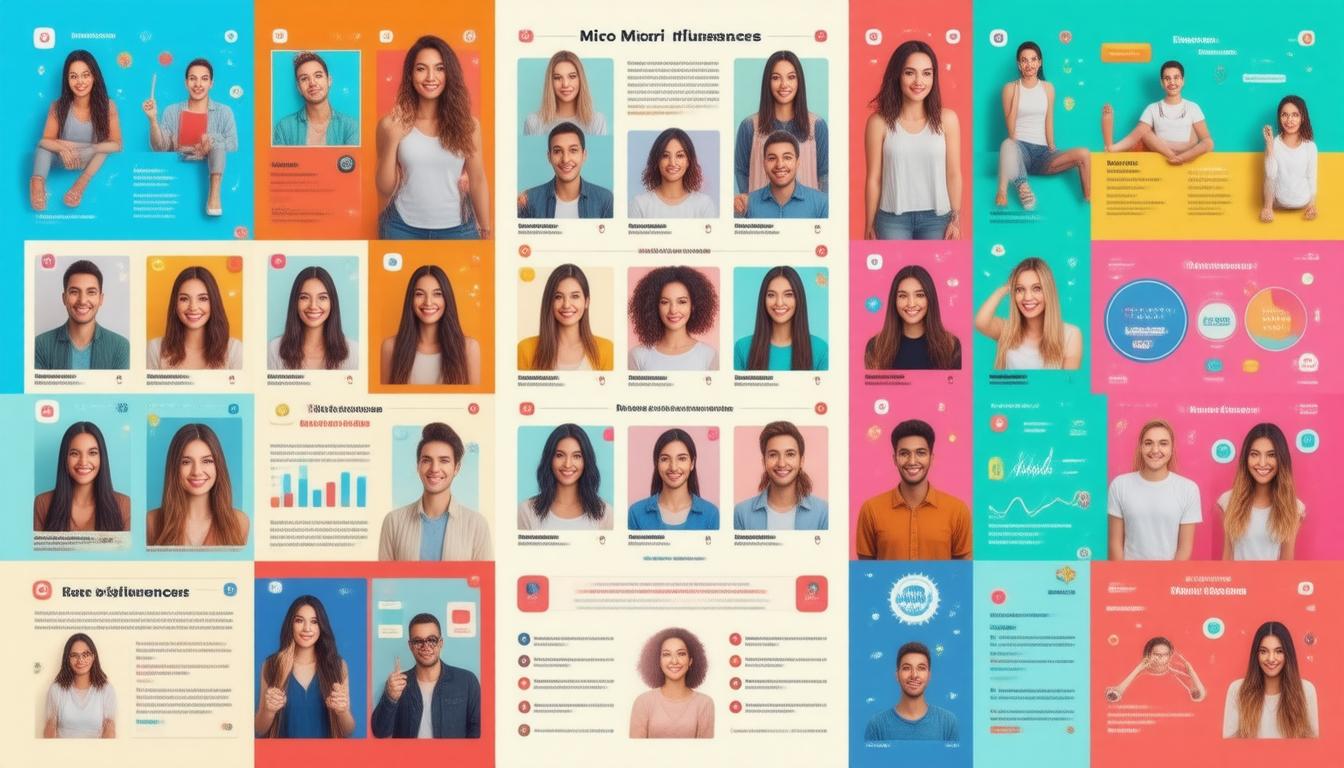
Measuring Success: Metrics to Track in Micro-Influencer Marketing
In the ever-evolving landscape of digital marketing, micro-influencer marketing: a powerful strategy to scale your brand has garnered significant attention. Brands are increasingly turning to micro-influencers—individuals with smaller, yet highly engaged social media followings—to connect authentically with niche audiences. To measure the success of these campaigns, it's essential to track various key performance metrics. Engagement rates, which include likes, shares, comments, and overall reach, serve as immediate indicators of how well your content resonates with the audience. Additionally, tracking conversion rates will help you determine how many followers take action after interacting with your campaigns, whether that’s visiting your website, signing up for a newsletter, or making a purchase. Reach and impressions are also critical; they reflect the potential audience size your brand can tap into through these micro-influencers. Finally, sentiment analysis will provide insights into how your brand is perceived, ensuring that the conversations generated are positive. By diligently monitoring these metrics, brands can effectively gauge the impact of micro-influencer marketing campaigns and refine their strategies for optimal engagement and growth.
Frequently Asked Questions
What is micro-influencer marketing?
Micro-influencer marketing involves collaborating with influencers who have a smaller but highly engaged follower base, typically ranging from 1,000 to 100,000 followers. These influencers often create content relevant to a specific niche, making them effective in promoting brands to targeted audiences.
What are the benefits of using micro-influencers for brand growth?
Micro-influencers often have more authentic interactions with their followers, leading to higher engagement rates. They are usually perceived as more relatable than larger influencers, which can enhance trust in your brand and result in better conversion rates.
How can I identify the right micro-influencers for my brand?
To find suitable micro-influencers, start by researching social media platforms relevant to your brand’s niche. Look for influencers who align with your brand values, engage with their audience actively, and have a strong presence in your target demographic.
What strategies are effective for running micro-influencer campaigns?
Effective strategies include building genuine relationships with the influencers, providing them with creative freedom, and aligning the campaign goals with their unique style. Consider using informal collaboration formats like giveaways, product reviews, or sponsored posts.
How can I measure the success of my micro-influencer marketing campaigns?
Key metrics to track include engagement rates (likes, comments, shares), reach and impressions, website traffic generated, conversion rates, and the overall return on investment. Analyzing these metrics will help you assess the effectiveness of your campaigns and optimize future efforts.
Damien Vernon
Sales Director | ROIstars Relationships & Results
Ready to unlock your brand's potential? Let's chat! With my expertise in digital marketing and AI-driven automation, I help businesses drive more leads, reduce costs, and maximize online success.
Contact Us Today


Comments
Post a Comment